Kawaii Smile Font for Creative Design
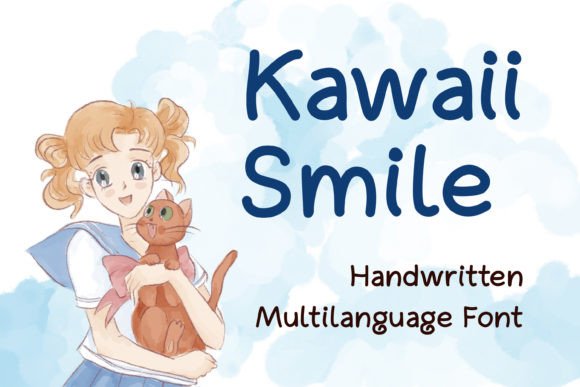
Kawaii Smile is a handwritten font that brings a playful and friendly energy to any editorial project. Its whimsical style makes it ideal for adding personality to headings, quotes, and visual elements across blogs, magazines, and digital publications. As part of the Script Amp collection, Kawaii Smile offers a unique blend of charm and readability, making it a valuable addition to any designer’s toolkit.
The font’s soft curves and slightly irregular strokes give it a handcrafted feel, perfect for content that aims to connect with readers on a more personal level. Whether used in a lifestyle blog or a printable planner, Kawaii Smile adds a touch of warmth and approachability. Its visual appeal makes it especially effective for projects targeting younger audiences or those looking to convey a sense of fun and creativity.
Using Kawaii Smile in Editorial Design
In editorial design, Kawaii Smile shines as a display font for headlines, cover text, and section titles. Its expressive nature helps draw attention without overwhelming the reader. For example, a recipe ebook might use Kawaii Smile for chapter titles, creating a cohesive and inviting layout. Similarly, a wedding guide could incorporate the font into pull quotes or decorative elements, enhancing the overall aesthetic while maintaining clarity.
The font also works well in quote graphics, where its handwritten style can add a personal touch to motivational messages or key insights. In a digital magazine, Kawaii Smile could be used for article subheadings or graphic elements that break up dense blocks of text. Its flexibility allows it to complement both modern and traditional layouts, depending on the design intent.
Supporting Visual Hierarchy and Brand Identity
Kawaii Smile supports visual hierarchy by standing out as a distinctive typeface while still remaining legible at smaller sizes. When used strategically, it can help guide the reader’s eye through a page, highlighting important sections or reinforcing brand personality. For instance, a wellness coaching workbook might use Kawaii Smile for title pages or section dividers, helping to establish a consistent and recognizable identity.
Its quirky yet friendly tone aligns well with brands that want to communicate approachability and creativity. A printable planner aimed at artists or students could benefit from Kawaii Smile’s expressive style, making the content feel more engaging and less rigid. The font’s ability to evoke emotion makes it a strong choice for publications that aim to build a connection with their audience.
Best Uses for Kawaii Smile
Kawaii Smile is best suited for short-form text such as headings, logos, and accent typography. It excels in titles, cover text, and pull quotes, where its visual impact can be maximized. However, it may not be ideal for long paragraphs due to its cursive style, which can reduce readability in extended reading contexts.
For example, a lifestyle blog could use Kawaii Smile for post titles and social media graphics, while pairing it with a clean sans serif font for body copy. A cookbook might use the font for recipe headers, balancing its playful style with a readable base font. This combination ensures that the design remains visually appealing without sacrificing usability.
When designing for print, consider how Kawaii Smile will appear on different materials. Its hand-drawn look can add character to business cards, brochures, or packaging, but it should be tested at various sizes to ensure legibility. For digital formats, check how the font renders on screens and in PDFs, especially when used alongside other typefaces.
Font Pairing and Design Considerations
Pairing Kawaii Smile with complementary fonts enhances its effectiveness in editorial work. A serif font like Georgia or Cinzel can provide contrast and stability, making it a good choice for body text in articles or ebooks. A sans serif font such as Open Sans or Lato can serve as a reliable companion for captions, navigation menus, or sidebars, ensuring a balanced and professional look.
When using Kawaii Smile in web design or social media graphics, keep the layout simple and uncluttered. Avoid overusing the font, as it can become distracting if not used thoughtfully. Instead, focus on using it for key visual elements that reinforce the overall design theme.
Commercial Licensing and Practical Use
For creators using Kawaii Smile in commercial projects, it’s important to verify the licensing terms. Many premium fonts offer licenses that allow use in ebooks, templates, printables, and paid newsletters, but specific restrictions may apply. Always review the font’s license agreement to ensure compliance, especially when working on client projects or selling digital products.
Additionally, consider the font’s multilingual support if your audience includes non-English speakers. Some script fonts may have limited character sets, so checking for full coverage is essential for global publications. Kawaii Smile’s versatility makes it suitable for a wide range of projects, from local blogs to international digital magazines.
Whether you’re designing a newsletter, crafting a digital guide, or developing a brand’s visual identity, Kawaii Smile offers a fresh and expressive option for editorial design. Its unique personality and practical application make it a valuable asset for creators who want to add a touch of creativity to their work.